
Finally got the keys to your unit in Tengah, Singapore’s very first “Forest Town”? It’s an exciting milestone, but standing in that empty BTO flat can feel overwhelming. While the promise of smart living and lush greenery is thrilling, the reality of navigating HDB renovation guidelines, managing timelines, and controlling costs can quickly turn your dream home journey into a logistical nightmare.
What if you could bypass the expensive design fees and communication bottlenecks? By engaging a direct contractor, you can save significant money and gain direct control over your project. This guide will walk you through everything you need to know about renovating in Tengah – from navigating specific HDB permits to choosing the right partner to build your dream home.
Why Tengah Renovations Are Different
Tengah is not just another HDB estate; it is a blueprint for the future of residential living in Singapore. As the first car-free town center with a centralized cooling system (CCS), renovating here comes with a unique set of considerations that differ from mature estates like Tampines or Ang Mo Kio.
The Centralized Cooling System (CCS) Factor
Unlike typical HDB flats, where you simply install a compressor on the air-con ledge, Tengah units often come pre-equipped with the CCS piping and units if you opted in.
- Impact on Renovation: Your contractor needs to know how to work around these pre-installed trunkings. Box-ups (false ceilings or L-boxes) are often required to hide the industrial-looking pipes if you prefer a cleaner look.
- Air-Con Ledge: If you opted out of CCS, you need a contractor who understands the specific regulations for installing traditional split units in Tengah’s designated air-con ledges, which may differ slightly in layout to accommodate the town’s green design.
Smart-Enabled Homes
Tengah flats are “smart-enabled,” meaning they come with additional power points and data points to support smart home systems. A savvy direct contractor will help you plan your electrical layout to maximize these features without needing extensive (and expensive) rewiring.
Direct Contractor vs. Interior Designer: What’s the Difference?
When planning your renovation, the first major decision is choosing between an Interior Designer (ID) and a Direct Contractor.
The Role of an Interior Designer
IDs are essentially project managers who also provide design consultation. They sketch 3D drawings, select color palettes, and manage the subcontractors (tilers, carpenters, electricians).
- Pros: Great for homeowners who have no idea what they want or have zero time to oversee the project.
- Cons: You pay a premium for their service, often a markup of 20-30% on top of the actual renovation costs.
The Role of a Direct Contractor
A direct contractor is the person who actually executes the work. They are the builders, carpenters, and project leads.
- Pros: Significant Cost Savings. You are paying “factory prices” for carpentry and labor. You also get direct communication – if you want a shelf moved, you tell the carpenter, not the designer who then calls the carpenter.
- Cons: You need to have a clearer idea of what you want. You might need to source your own tiles or lights (though many good contractors can guide you).
For BTOs in Tengah, where the layout is brand new and relatively standard, a direct contractor is often the smarter financial choice. You likely don’t need complex structural restructuring; you need quality carpentry, flooring, and electrical work.
HDB Renovation Guidelines You Must Know
Before you hack a single tile, you must navigate the Housing & Development Board (HDB) regulations. Failing to do so can result in hefty fines or being forced to undo completed work.
HDB Directory of Renovation Contractors (DRC)
This is non-negotiable. You must engage a contractor listed in the HDB Directory of Renovation Contractors (DRC) for any demolition or masonry work.
- Why it matters: DRC-listed contractors are trained to protect the structural integrity of the building and your neighbors’ peace. They understand the specific noise regulations and lift protection requirements.
The Permit Process
Certain works require specific written approval from HDB:
- Hacking: Demolishing walls requires strict approval to ensure no structural beams are compromised.
- Window Grilles: While essential for safety, designs must adhere to the estate’s facade guidelines.
- Electrical: You must use an EMA-licensed electrician.
- Plumbing: Only PUB-licensed plumbers can handle waterworks.
A reputable direct contractor will handle these permit applications for you, submitting the necessary floor plans and paperwork electronically to HDB.
Estimating Your Tengah Renovation Budget
One of the biggest advantages of a BTO is that you save on demolition costs compared to a resale flat. However, costs can still escalate if not monitored. Here is a rough price guide for renovating a BTO using a direct contractor in Singapore (2024/2025 estimates):
3-Room BTO
- Basic Renovation: $30,000 – $38,000
- Scope: Flooring overlay (vinyl/tiles), kitchen cabinetry, built-in wardrobe in master bedroom, painting, and basic lighting.
4-Room BTO
- Basic Renovation: $40,000 – $48,000
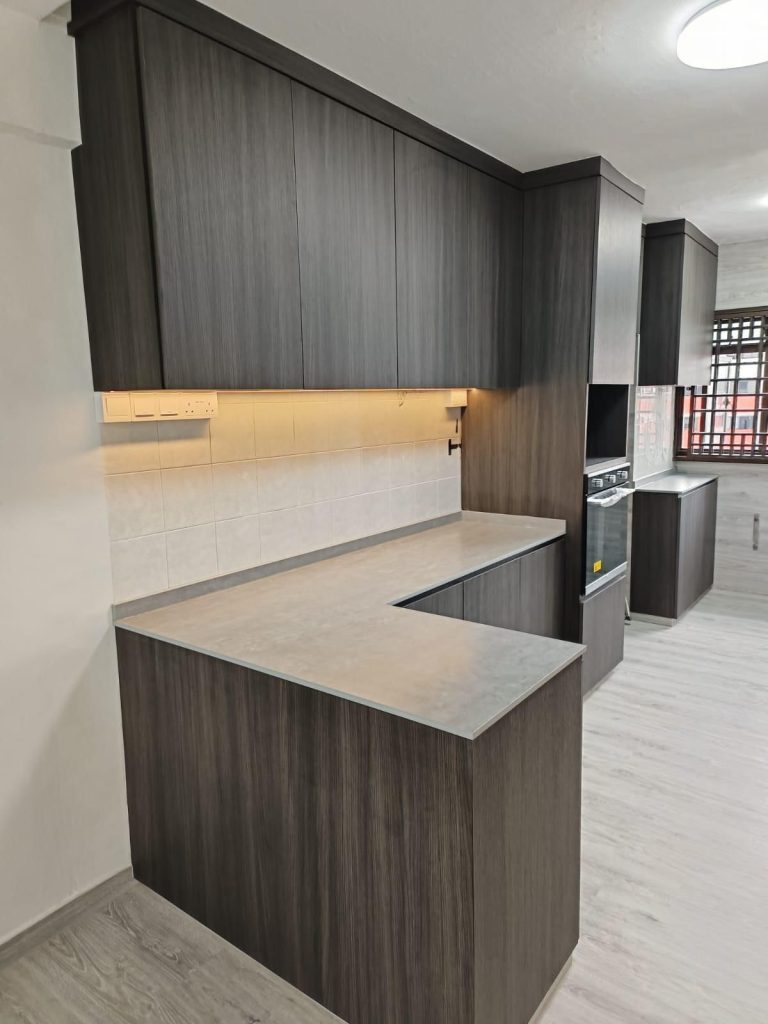
- Scope: As above, plus a study table or feature wall in the living room, and potentially a kitchen island if space permits.
5-Room BTO
- Basic Renovation: $48,000 – $58,000
- Scope: Extensive carpentry, false ceilings for CCS concealment, and premium finishes.
Note: These are estimates. Opting for premium materials like quartz countertops or fancy carpentry mechanisms (e.g., BLUM hinges) will increase costs.
How to Select the Best Contractor in Tengah
With hundreds of firms out there, how do you filter the good from the bad?
1. Check for CaseTrust Accreditation
CaseTrust accreditation is the gold standard for consumer confidence in Singapore. It means the contractor has good business practices, clear fee policies, and – crucially – a deposit protection bond. If the company closes down, your deposit is insured.
2. Review Their Portfolio
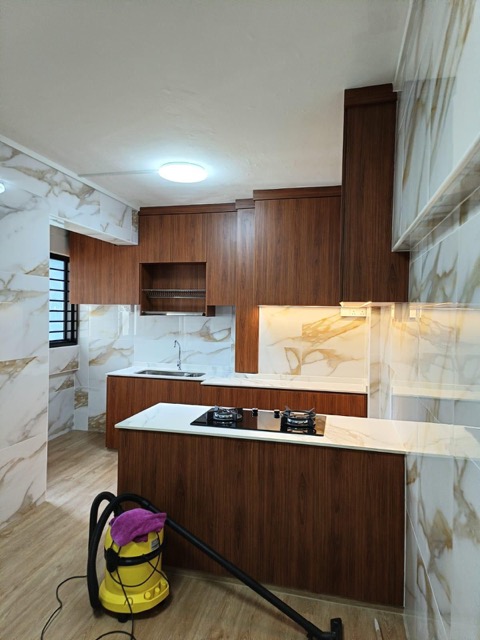
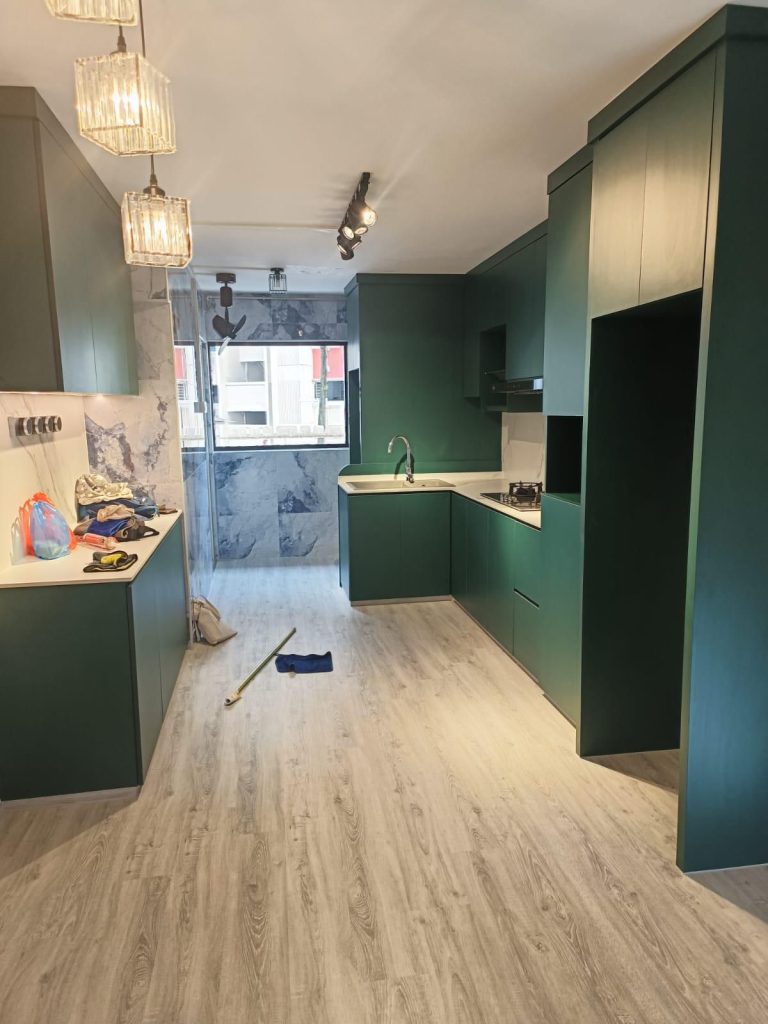
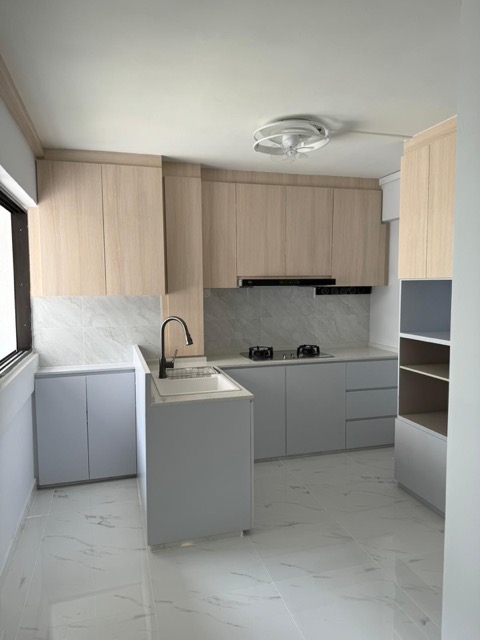
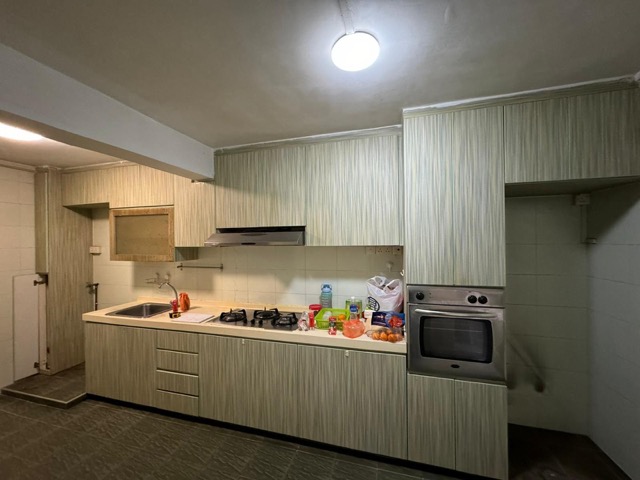
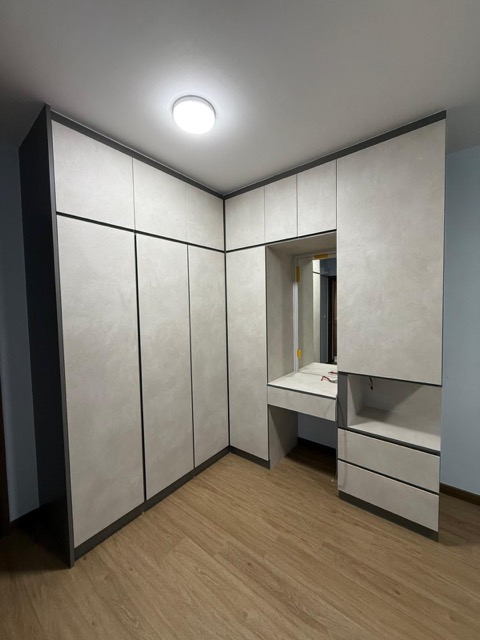
Don’t just look at 3D drawings; look at photos of completed projects.
- Do the cabinet doors align perfectly?
- is the silicone sealing in the bathroom neat?
- Have they done projects in Tengah before? (This ensures they know the logistics of the estate, like loading bay locations).
3. Compare Itemized Quotes
Never accept a lump sum quote (e.g., “Kitchen Reno: $10,000”). A professional direct contractor will provide a line-by-line breakdown:
- “Fabrication and installation of 10ft bottom kitchen cabinet using solid plywood… $X”
- “Supply and install KompacPlus worktop… $Y”
This transparency allows you to see exactly what you are paying for and avoid hidden variation orders later.
Popular Design Trends for Tengah BTOs
Since you are saving money on the contractor, you can invest more in the aesthetics. Here are three trending styles for Tengah’s nature-centric vibe:
The “Japandi” Look
A fusion of Japanese minimalism and Scandinavian functionality. Think light wood vinyl flooring, white walls, and low-profile furniture. This pairs perfectly with the smaller square footage of modern BTOs, making them feel airy and spacious.
Modern Farmhouse
For a cozy, homier feel. Use shaker-style cabinet doors (instead of flat surfaces), matte black handles, and warm lighting. This adds character to the standard BTO “cookie-cutter” layout.
Biophilic Design
Lean into the “Forest Town” theme. Incorporate indoor plants, natural stone textures, and green feature walls. Using wood-look tiles in the balcony or service yard can seamlessly blend your home with the greenery outside.
Can I opt out of the Centralized Cooling System (CCS) in Tengah?
Yes, you can opt out during the BTO selection exercise or cancel it later (subject to penalties depending on timing). If you opt out, ensure your contractor installs the correct brackets on the air-con ledge for a standard compressor.
How long does a typical BTO renovation take?
For a direct contractor, a standard BTO renovation typically takes 8 to 10 weeks. This includes time for permit approval, fabrication of carpentry (which usually takes 2-3 weeks off-site), and installation.
Do I need to buy my own materials?
With a direct contractor, you have the flexibility to buy your own tiles, lights, and sanitary ware (toilet bowls, sinks) from suppliers to save costs. The contractor will then charge you only for the labor to install them. However, they usually supply the “rough” materials like cement, sand, and plywood.
Build Your Dream Home with Confidence
Renovating your new home in Tengah shouldn’t be a gamble. By understanding the regulations and choosing the direct route, you can achieve a high-quality finish without the inflated price tag. It requires a bit more involvement on your part, but the savings and control are well worth the effort.
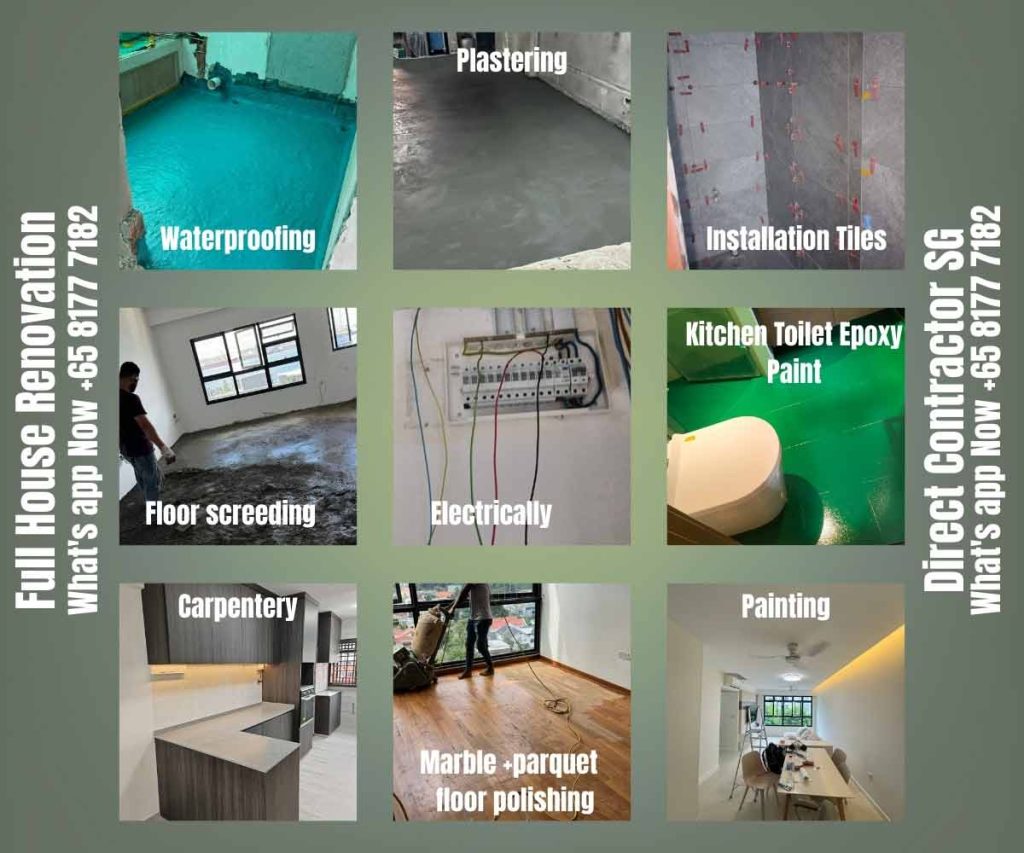
If you are looking for a transparent, reliable, and experienced partner for your journey, look no further than Everyday Renovation. As a premier full renovation service provider and direct contractor in Singapore, we pride ourselves on delivering quality craftsmanship with zero hidden costs.
Ready to transform your Tengah BTO? Contact Everyday Renovation today for a free, non-obligatory quote and let’s build something beautiful together.
A great guide to choosing the right contractor in Tenga. It explains the importance of CaseTrust accreditation, checking portfolios of real projects, and getting itemized quotes to avoid hidden costs. The post also shares popular design trends and important renovation tips like CCS options and timelines.
For more renovation ideas, visit: https://uniqueidsg.com
Means a lot ! thank you so much for your opinion
In-depth guide about renovation contractors
Means a lot thank you